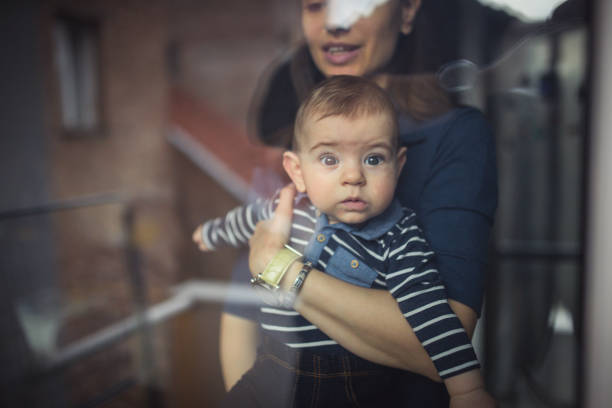


You know that feeling when your little one’s face turns red, their tiny hands clench into fists, and a wail erupts that seems to shake the very walls of your home? In that moment, your own heart might start racing, your shoulders tense, and a familiar knot forms in your stomach. You are not alone, and you are not doing anything wrong. Toddler tantrums are one of the most challenging parts of early motherhood, and the guilt that follows—the nagging voice that whispers you should have handled it better—can linger long after the storm has passed. Let us take a slow breath together and explore a gentle way through these moments, not by trying to stop the tantrum, but by staying grounded inside yourself.
When a tantrum erupts, your child is not giving you a hard time; they are having a hard time. Their developing brain cannot yet process big feelings of frustration, hunger, or disappointment. Your role is not to fix the meltdown but to be a steady presence beside them. This begins with your own breath. Before you say a single word, place a hand on your own chest and take three slow, deep breaths. Inhale for a count of four, hold for a moment, and exhale for six. This simple act signals to your nervous system that you are safe, and it creates a tiny pocket of calm in the chaos. You are not rushing to solve anything. You are simply arriving in your own body first.
Many mothers feel an urgent need to make the crying stop—to reason, to bribe, to distract, or to threaten. Yet these tactics often escalate the situation because your child senses your tension and feels even more unsafe. Instead, try lowering your voice and softening your face. Kneel down to their level if it feels right, or simply sit on the floor nearby. You can say something as simple as, “I am here. You are so upset. I am staying right here with you.” Your voice does not need to explain, negotiate, or persuade. It only needs to be a warm, steady anchor. Your child may not stop crying immediately, but they will feel your presence, and over time, they will learn that strong emotions can be experienced without being abandoned.
Another powerful tool is to remind yourself that this moment is not a reflection of your worth as a mother. The tantrum is not a failure on your part. It is a normal, healthy part of your child’s growth. When you feel yourself slipping into guilt or self-blame, gently name that feeling: “Oh, there is guilt again. That is an old story.” Then bring your attention back to your breath and to your child’s face. You are allowed to be imperfect. You are allowed to feel frustrated or tired. You are also allowed to stay right there without needing to be a perfect, patient saint.
After the tantrum passes—and it always does—resist the urge to replay the scene in your mind with criticism. Instead, hold the whole experience with tenderness. Perhaps you lost your cool for a moment. That is human. You can repair afterward by simply saying, “I got upset too. I am sorry I raised my voice. I love you.” This repair is far more powerful than never making a mistake. It teaches your child that relationships can weather storms and that love is bigger than any single moment of conflict.
Finally, remember to take care of you after the storm. Tantrums are draining for both of you. Give yourself permission to sit quietly for a few minutes, drink a glass of water, or step outside and feel the breeze on your face. You have just navigated a difficult situation with love and intention. That deserves recognition, not critique. Each time you stay present through a tantrum, you are building a deeper trust with your child and a deeper compassion for yourself. And that gentle strength will carry you through many more storms to come.