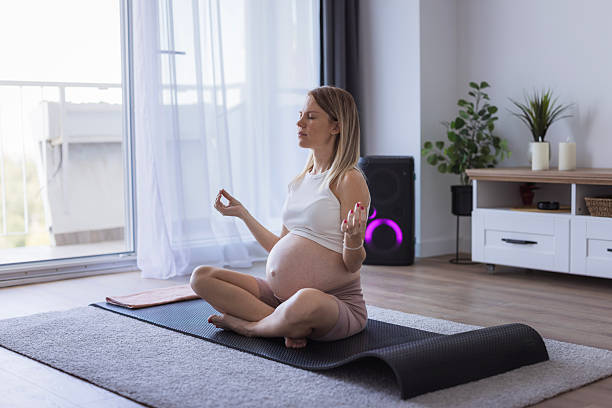

In the whirlwind of a chaotic day, where demands pull us in every direction and our thoughts race ahead of our actions, the idea of mindfulness can feel like a distant luxury. Yet, it is precisely during these storms of activity and stress that simple mindfulness techniques become most essential. They are not about adding another task to an overflowing list, but about subtle shifts in attention that can anchor us, creating pockets of calm amidst the chaos. These practices are accessible, requiring only a few moments and a willing intention to reconnect with the present.
One of the most powerful and immediate techniques is to consciously anchor yourself in your physical senses. When the mind is spinning with worries about future deadlines or ruminations on past conversations, the senses are a direct portal to the present moment. This can be as straightforward as pausing for a single minute to truly listen. Instead of letting sounds become a blurry backdrop to stress, intentionally notice them—the hum of the computer, the distant traffic, the sound of your own breath. Similarly, you can engage touch by feeling the texture of your desk, the weight of a cup in your hands, or the sensation of your feet on the floor. This sensory grounding interrupts the cycle of anxious thoughts and brings your awareness into the here and now, providing a brief but vital reset for your nervous system.
Integrating mindfulness into mundane activities transforms them from automatic chores into opportunities for centering. For instance, when walking from one room to another, instead of planning your next email, feel the rhythm of your steps and the shift of your weight. While washing your hands, feel the temperature of the water and the scent of the soap. These “micro-moments” of mindfulness are woven seamlessly into the fabric of your day, preventing stress from building into an overwhelming tide. They remind you that you are not just a mind burdened by thoughts, but a physical being experiencing a single, manageable moment.
The breath is another ever-present anchor, a constant companion that is both automatic and controllable. On a chaotic day, taking just three conscious breaths can be revolutionary. You do not need to change your breathing pattern dramatically; simply notice the inhale and the exhale. Feel the air moving in through your nostrils, the slight pause, and the release. When your mind inevitably wanders back to your worries, gently guide your attention back to the breath without judgment. This small act is a profound exercise in kindness to yourself—it is a message that for these few seconds, nothing is more important than your own equilibrium. It creates a small space between stimulus and reaction, allowing you to respond to chaos with more clarity and less panic.
Finally, a technique for the heart of the storm is the practice of naming your experience. When frustration, overwhelm, or anxiety surge, silently acknowledge them with a simple, soft label: “This is stress,“ or “This is feeling overwhelmed.“ This act of recognition does not amplify the feeling; instead, it creates a gentle distance. You are not your chaos; you are the awareness observing it. This mindful acknowledgment prevents you from being completely swept away by the emotion, allowing you to see it as a temporary weather pattern in your mind, not the permanent climate.
A chaotic day challenges our sense of control and peace. Yet, within that chaos, simple mindfulness techniques offer sanctuaries of stillness. By grounding in the senses, embracing mundane moments, returning to the breath, and naming our experiences, we build resilience. These practices are not a grand escape from life’s demands but a way to meet them with a steadier gaze and a calmer heart, transforming the quality of our day from within, one mindful moment at a time.