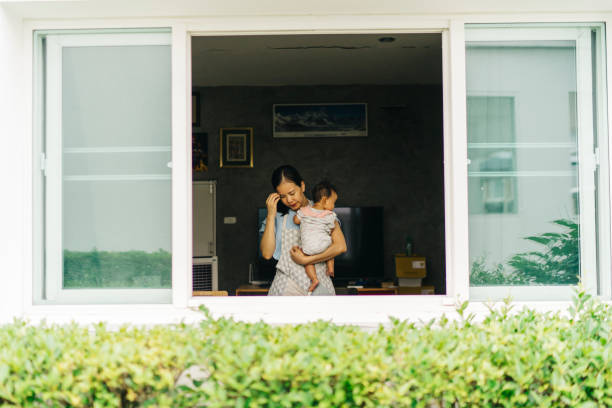

When you are a mother, the phrase “get some rest” can feel like a cruel joke. You may lie down only to hear a little voice call your name, or find your own mind racing through the endless to‑do list that never seems to shrink. Sleep deprivation is not a phase you simply “power through”; it is a bone‑deep exhaustion that settles into your very cells. And yet, the well‑meaning advice to “sleep when the baby sleeps” often ignores the reality that you cannot always make yourself fall asleep on command, nor can you ignore the laundry, the dishes, or the toddler who refuses to nap. So what do you do when sleep simply will not come, and your body and spirit are crying out for relief? The answer may be gentler than you think: you can rewrite what rest means.
Rest does not have to equal sleep. This is a truth that can feel radical when you are running on fumes, but it is also deeply freeing. Your nervous system craves moments of true stillness, even if your eyes remain open. Think of rest as a wide, welcoming umbrella that includes everything from lying flat on the floor for three minutes with your legs up the wall, to sitting in the car after you have parked in the driveway and simply staring at the clouds. These tiny pockets of peace are not a substitute for deep sleep, but they are a lifeline. They lower your heart rate, calm your racing thoughts, and remind your body that you are safe, that you are allowed to stop even if only for a moment.
Consider the art of the micro‑pause. When you are folding laundry, pause between each piece and take one slow breath. When you are waiting for the kettle to boil, rest your hands on the counter and let your shoulders drop. When you are nursing or holding a sleeping child, close your eyes and feel the weight of their body against yours, the rhythm of their breathing. These are not wasted seconds; they are small acts of rebellion against the constant demands of motherhood. They tell your exhausted mind, “I see you. I am giving you something right now, even if it is just this one breath.”
Another gentle practice is to separate rest from productivity. Many mothers struggle with the guilt of “doing nothing” when there is always something that could be done. But rest is not laziness; it is a biological necessity. Try giving yourself permission to sit down without a phone, without a task, without the faint hum of guilt. You might put on music that soothes you, or simply sit in silence. If your mind wanders to the dishes, gently guide it back to the feeling of the chair beneath you, the air on your skin. This is not a luxury; it is a way to refuel so that you can show up for your children with more patience and love.
If you wake in the middle of the night and cannot fall back asleep, do not fight it. That struggle only adds adrenaline to the exhaustion. Instead, shift your focus from “I must sleep” to “I can rest here.” Lie still, breathe deeply, and let your mind drift without expectation. You might mentally trace the shape of a leaf or repeat a simple calming phrase to yourself. Even if you do not sleep, these moments of quiet can restore you more than tossing and turning ever could.
Finally, give yourself grace. Sleep deprivation is not a personal failure; it is a common, difficult truth of motherhood. You are doing an impossible job with limited resources, and you deserve compassion, not criticism. By expanding your definition of rest to include gentle pauses, mindful moments, and permission to simply be, you are giving yourself a gift that no amount of coffee can replace. Your body knows what it needs, and sometimes that need is not for eight hours of uninterrupted sleep, but for five minutes of uninterrupted presence with yourself. So take it. You are worth that small, beautiful rest.