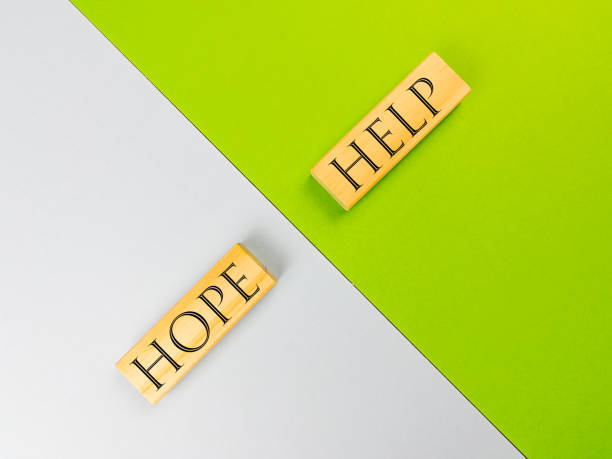


There is a quiet weight that settles in the chest when you realize the laundry has been sitting in the basket for three days, the dinner dishes are still in the sink, and the baby has been crying for what feels like the entire afternoon. The thought flickers through your mind: I should ask for help. And then, almost immediately, another voice answers back: But I should be able to handle this on my own. That second voice is the one that exhausts us, the one that tells us that asking for help is a confession of failure. Yet if we can pause long enough to consider a different perspective, we might discover that asking for help is not a sign of weakness, but rather an unexpected gift—both for ourselves and for the people who love us.
When you reach out to a partner, a friend, a neighbor, or a family member and say, “I could really use a hand,” you are doing more than just lightening your own load. You are inviting someone else into your life in a meaningful way. People who care about you often want to be helpful, but they may not know how or when to offer. By clearly stating what you need, you give them the chance to show up for you. That act of vulnerability builds trust and deepens connection. Think of the last time someone asked you for help. Did you feel imposed upon, or did you feel honored to be trusted? Most of us feel the latter. We want to be useful, to be needed. When you deny others the opportunity to support you, you also deny them that sense of purpose.
The guilt that so often accompanies asking for help is rooted in a deeply ingrained myth: the myth of the supermom. This cultural story tells us that a good mother does it all, effortlessly, without complaint, and certainly without needing a break. But that story is a lie. Every mother, no matter how organized or capable, has limits. Babies get colicky, toddlers throw tantrums, older children have homework battles, and the household never seems to stay tidy for more than an hour. The expectation that you should handle all of this alone is not only unrealistic—it is unkind to yourself and to your children. When you are exhausted and overwhelmed, you do not have the energy to be the patient, present mother you want to be. Asking for help is not a betrayal of motherhood; it is an act of love for your family because it allows you to show up as your best self.
Consider the possibility that by shouldering everything alone, you are actually modeling a pattern of isolation for your children. When they see you struggling in silence, they learn that asking for help is shameful. When they see you reach out and receive support with grace, they learn that human beings are meant to lean on one another. You are teaching them that community matters, that vulnerability is safe, and that every person deserves rest. That is a far more valuable lesson than the one that says a mother must be a martyr.
Practical steps can help dissolve the guilt. Start small. Instead of asking for a grand, sweeping solution, ask for one specific thing. “Could you pick up milk on your way home?” or “Can you watch the baby for twenty minutes so I can take a shower?” These small requests build the muscle of asking without shame. Over time, you will notice that the sky does not fall, and the person you asked often feels good about helping. Another helpful mental shift is to reframe help as collaboration rather than charity. You are not a burden; you are a teammate in the beautiful, messy project of raising a family. Your partner, your friend, your neighbor—they are on the same team.
It is also worth acknowledging that guilt may never fully disappear, and that is okay. You can feel a twinge of guilt and still ask for help. The feeling does not have to dictate your actions. Let the guilt sit beside you as you make the phone call or send the text. With practice, the guilt will grow quieter, and the relief of being supported will grow louder. You deserve that relief. Your children deserve a mother who is not running on empty. And the people in your life deserve the joy of helping someone they love.
So the next time the dishes pile up and the exhaustion settles in, take a breath and reach out. You are not failing. You are inviting connection. You are practicing the very real and very brave art of letting others love you through action. That is not a weakness. It is a quiet, powerful kind of strength.