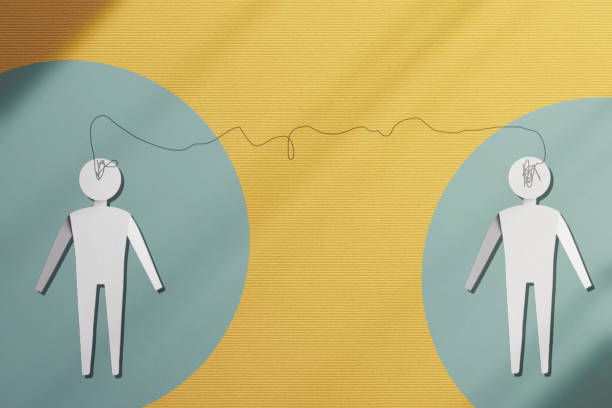
The quiet ache of an unmet need is a feeling many know well. It is not born from malice in our partners or support systems, but often from a simple, profound gap: the space between what we feel and what we are able to express. Learning to communicate our needs effectively is not a sign of weakness or neediness; it is the cornerstone of building resilient, understanding, and deeply connected relationships. The journey toward better communication begins with turning inward before reaching outward, and is built on the pillars of clarity, timing, and vulnerability.
The first and most crucial step is achieving self-clarity. We cannot articulate what we have not first identified for ourselves. This requires moving beyond vague feelings of dissatisfaction—like being “unhappy” or “stressed”—and drilling down to the specific need beneath the emotion. For instance, frustration about a partner working late might actually be a need for quality time or reassurance of your importance. Anxiety about a friend forgetting plans could stem from a need for reliability or felt consideration. This process demands honest self-reflection, perhaps through journaling or quiet contemplation, to answer the question: “What do I truly need to feel secure, valued, and supported in this situation?“ Distinguishing a need from a want or a demand is also vital; needs are fundamental to emotional well-being, while wants are preferences. This clarity becomes the foundation of your message.
Once you understand your need, the next challenge is to express it with compassionate precision. This is where the classic “I” statement proves its enduring value. Framing your need from your own perspective minimizes defensiveness and avoids blame. Instead of saying, “You never help around the house,“ you might express, “I feel overwhelmed keeping up with the chores, and I need us to find a way to share the responsibilities so I can feel more balanced.“ This formula—stating your feeling, the situation, and your specific need—transforms a criticism into an invitation for collaboration. It is about sharing your internal world, not indicting theirs. Furthermore, be as concrete as possible. “I need more support” is nebulous; “I need you to listen without offering solutions when I vent about my workday” provides a clear, actionable blueprint for your partner to follow.
The environment and timing of your communication are as important as the words themselves. Choosing a moment of relative calm, not in the heat of an argument, dramatically increases the likelihood of being heard. It is wise to ask, “Is now a good time to talk about something that’s on my mind?“ This shows respect for the other person’s emotional state and prepares them to be receptive. Effective communication is also a dialogue, not a monologue. After expressing your need, create space for your partner’s response. Ask questions like, “How does that sound from your perspective?“ or “What are your thoughts on that?“ This fosters teamwork, showing that you are working together to solve a shared issue rather than issuing an ultimatum.
Ultimately, communicating needs is an act of courage and vulnerability. It requires trusting that your relationship is a safe container for your honesty. There is always a risk in being open, but a greater risk resides in the slow erosion that comes from unspoken resentments. It is also a practice of patience and reinforcement. When your partner does respond positively to your expressed need, acknowledge it. A simple “Thank you for listening so carefully, it made me feel really understood” reinforces the positive behavior and builds a cycle of healthy communication. Remember, your support system cannot read your mind, no matter how much they love you. By taking the brave step of knowing and naming your needs with clarity, compassion, and timing, you do not burden your relationships—you fortify them. You build bridges of understanding where gaps once existed, creating partnerships that are not only supportive but truly sustaining.