
The image of the tireless, self-sufficient parent is a powerful one in our cultural narrative, often leaving mothers and fathers feeling they must shoulder every burden alone. This leads many to a quiet, internal dilemma: Is it okay to ask my kids for help? The answer, when approached with intention and balance, is not only okay but beneficial. Inviting children into the collaborative work of family life, far from being a sign of parental failure, is a crucial component of raising capable, empathetic, and connected individuals.
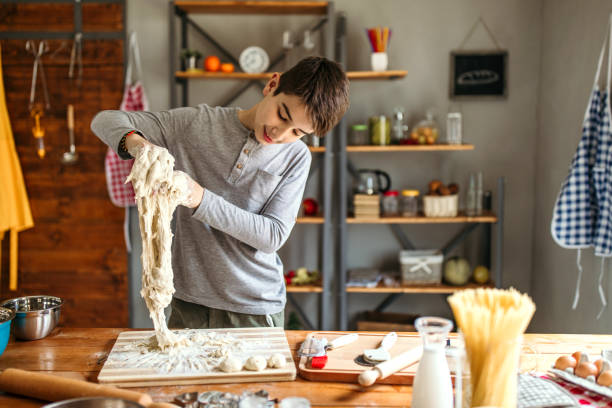
At its heart, the hesitation stems from a desire to protect childhood and a fear of parentifying children—assigning them inappropriate adult responsibilities. This concern is valid and serves as an important boundary. However, there is a vast and healthy middle ground between neglect and age-appropriate contribution. When we reframe “help” not as offloading stress but as inviting participation, we see its true value. A toddler placing napkins on the table, an eight-year-old sorting laundry by color, or a teenager explaining a new app to a grandparent are not acts of parental dependency. They are lessons in practical life skills, embedded in the natural context of home. These tasks teach responsibility, the satisfaction of a job well done, and the tangible reality that a household functions through shared effort.
Furthermore, asking for help models profound human truths for our children. It demonstrates that vulnerability is not weakness, that collaboration is strength, and that everyone, regardless of age, has something to offer. When a parent says, “I’m feeling overwhelmed with this grocery list; can you read the items to me while I pack?” or “I don’t understand this social media trend; can you explain it?” we show that learning is lifelong and asking for assistance is a normal part of life. This breaks down the unrealistic myth of the all-knowing, infallible parent and builds a relationship based on authenticity and mutual respect. Children who see their parents navigate needs gracefully are more likely to do the same in their own future relationships.
The emotional benefits of this dynamic are significant. Children who contribute in meaningful ways develop a stronger sense of self-worth and belonging. They move from being passive consumers of family life to active stakeholders in it. This fosters intrinsic pride—the feeling that “our home runs smoothly, and I am a part of that.” It also cultivates empathy. A child who has helped prepare a meal is more likely to appreciate the effort behind it. A teenager who has helped a parent troubleshoot a work problem gains a window into the adult world and the challenges their parents face, fostering deeper understanding across generations.
The key, of course, lies in the approach. Requests should be age-appropriate, reasonable, and framed as an invitation to teamwork rather than a burdensome demand. It is also essential that this is a two-way street, where the parent’s authority and role as provider and guide remain clear. The goal is not to make children little adults, but to gradually prepare them for adulthood. Gratitude is also crucial; a sincere “thank you, that was a big help” acknowledges their effort and reinforces the positive behavior.
Ultimately, a family is our first and most fundamental community. Just as in any healthy community, its members support one another. By thoughtfully and willingly asking for our children’s help, we do not shirk our duties. Instead, we honor them by raising children who understand that interdependence is part of the human condition. We trade the fragile facade of perfect self-sufficiency for the stronger, messier, and far more rewarding reality of a connected family, where everyone contributes and everyone belongs. In doing so, we give our children the tools and the heart to build compassionate, cooperative lives of their own.