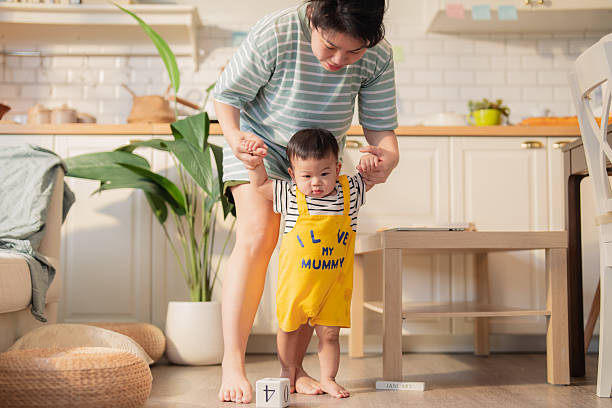
There’s a moment many mothers know well. The house is quiet, or maybe it isn’t. You’re folding laundry, reheating coffee, answering a text, wondering if you remembered the permission slip. Then a thought slips in: You should be doing more. Or it arrives through someone else’s voice—a relative’s raised eyebrow, a stranger’s comment, a curated post online. The message is subtle but sharp: someone thinks you’re doing it wrong. Guilt and judgment settle in like unwelcome guests.
If you’ve ever felt weighed down by mom guilt or the judgments of others, you are not alone. Motherhood is not a test with a single answer key. It is a living, breathing relationship that changes with each child, each season, each age and stage. What worked when your child was a toddler may not work now. What helps your neighbor’s family may not fit yours. That doesn’t mean you’re failing. It means you’re human, and you’re paying attention.
Mom guilt often grows in the gap between reality and expectation. We imagine the mother we think we should be: endlessly patient, always present, organized, calm, playful, and also well-rested. Then we look at the actual day—the spilled cereal, the screen time, the missed workout, the sharp tone we wish we could take back—and we judge ourselves harshly. But expectations are not measurements of love. They are stories we’ve absorbed from culture, family, social media, and old wounds. We can thank those stories for trying to protect us, and then gently set them down.
Judgment from others can sting because it touches a tender place: the fear that we are not enough. Maybe someone comments on your child’s behavior, feeding choices, return to work, decision to stay home, boundaries, body, home, parenting style. It can feel impossible not to internalize it. But another person’s opinion is often more about their own fears, values, or need to feel certain than about your worth as a mother. You do not have to argue with every critic. You can notice, breathe, and decide what belongs to you.
One practice is to ask, “Whose voice is this?” When guilt rises, pause and name it. Is this my own value, or is it someone else’s expectation? Is this a real problem I want to solve, or is it shame wearing a helpful disguise? If it’s a real problem, you can take one small, kind step. If it’s shame, you can offer yourself the same compassion you’d give a friend. Mothers are often wonderful at comforting others and terrible at accepting comfort themselves. Try turning that tenderness inward.
Another practice is to choose your trusted circle. You don’t need a crowd of opinions. You need a few people who know you, love your child, and can listen without rushing to fix or correct. When you’re facing a hard decision, talk with someone who respects your family’s values, not someone who always has a better way. And when judgment comes from someone you can’t avoid, you can use a simple boundary: “Thanks for caring. We’re doing what works for our family.” You don’t owe anyone a detailed defense of your motherhood.
It also helps to remember that children do not need a perfect mother. They need a real one. They need someone who repairs after mistakes, who says “I’m sorry,” who keeps showing up, who loves them through ordinary days. Your child learns resilience not because you never lose your patience, but because they see you apologize and try again. They learn self-compassion not because you’re flawless, but because you speak to yourself with kindness. That is a quiet, powerful legacy.
On the hardest days, lower the bar to something loving and reachable. Feed everyone. Offer a hug. Get through the bedtime routine. Let the rest wait. You are not behind. You are navigating an ever-changing role with limited sleep and unlimited love. Guilt may visit, and judgment may echo, but neither gets to define you. You are allowed to be a work in progress and a wonderful mother. You are allowed to trust yourself. And you are allowed to let go of the weight that was never yours to carry.