

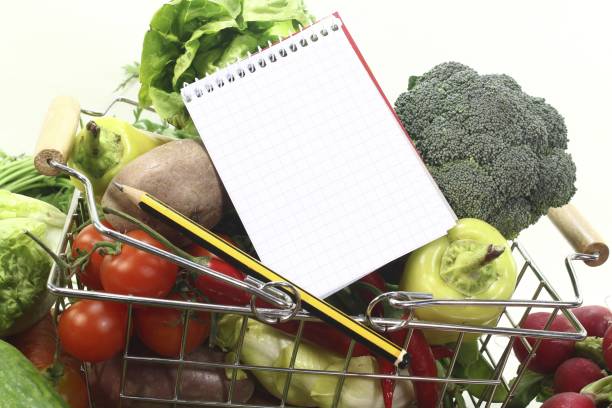
Dear mama, if the thought of grocery shopping makes you feel a little bit overwhelmed, you are not alone. The pressure of feeding a family while watching every dollar can feel like a heavy weight on your shoulders. Between the endless lists, the picky eaters, and the surprising prices at the checkout, it is easy to feel like you are fighting a losing battle. But what if I told you that a simple, gentle shift in how you approach your meals could lighten that load in ways that go far beyond your bank account? Meal planning, when done with grace and flexibility, is not about rigid schedules or gourmet recipes. It is about giving yourself the gift of calm, one dinner at a time.
Think of meal planning as a warm hug for your weekly schedule. When we are constantly deciding what to cook in the moment, we often fall into the trap of last-minute takeout or expensive convenience foods. That frantic energy bleeds into our whole evening, making us feel frazzled and guilty. But when you take just a little time each week to map out a handful of meals, you reclaim your peace. You remove the mental clutter of “What’s for dinner?” that can haunt you from breakfast onward. This simple act of preparation is a form of self-care. It says, “I value my time and my energy, and I am worthy of a little breathing room.”
From a financial perspective, meal planning is one of the most powerful tools for easing that quiet, constant worry about money. When you plan, you shop with intention. You are far less likely to throw random items into your cart because they are on sale or because they look tempting. Instead, you buy exactly what you need for the meals you have chosen. This reduces impulse spending dramatically. It also combats the silent thief of food waste. How many times have you bought a bunch of fresh herbs or a head of celery, used a small amount for one recipe, and watched the rest wilt sadly in the back of the fridge? Meal planning helps you use every ingredient across multiple dishes. For example, if you know you are making a vegetable stir-fry one night and a chicken and rice soup the next, you can buy a whole bag of carrots and use them up completely. That is money staying in your pocket, not ending up in the trash.
Now, before you start to feel pressured to create elaborate, Pinterest-worthy menus, let me offer you a gentle reminder. Meal planning does not have to be perfect. It does not have to be beautiful. It just has to work for you and your family. Start small. Choose just three dinners for the week, leaving room for leftovers or a spontaneous meal out. Pick one simple protein like ground beef or chicken thighs, and build two or three different dishes around it—think tacos one night, a simple pasta with meat sauce the next, and a stir-fry with the leftovers. This not only saves money because you buy in bulk, but it also saves your brain from having to invent a brand new idea every single day.
Another gentle secret that can reduce both stress and spending is embracing what you already have. Before you even look at a grocery store flyer or open a recipe app, take a peek inside your pantry, fridge, and freezer. Those cans of beans you bought on a whim, that bag of rice hiding in the back, the frozen vegetables you forgot about—they are all your friends. Build your plan around them. This practice is called a pantry challenge, and it is a wonderful way to cut your grocery bill while also developing a sense of resourcefulness. There is something deeply satisfying about creating a nourishing meal from what seems like nothing. It reminds you that you are capable, creative, and that abundance can come from simplicity.
Involving your children in the process can also turn meal planning from a chore into a small moment of connection. Let them pick one meal each week. You will be surprised at how much more willing they are to eat something they helped choose. This also teaches them about budgeting and decision-making in a loving, low-pressure way. You might say, “We have ten dollars for this meal, what can we make?” It becomes a playful puzzle rather than a battle.
Finally, give yourself permission to use shortcuts. Frozen vegetables are just as nutritious as fresh ones, and they cost less while lasting longer. Canned tomatoes, pre-washed salad greens, and rotisserie chickens are not failures—they are tools that help you keep your sanity. The goal of saving money on groceries and meals is not to achieve some idealized version of homemaking. It is to reduce financial pressure so that you have more energy for what truly matters: rest, laughter, and loving your family with a calm heart. You are doing enough, dear mama. One planned meal at a time, you are building a life that feels lighter.