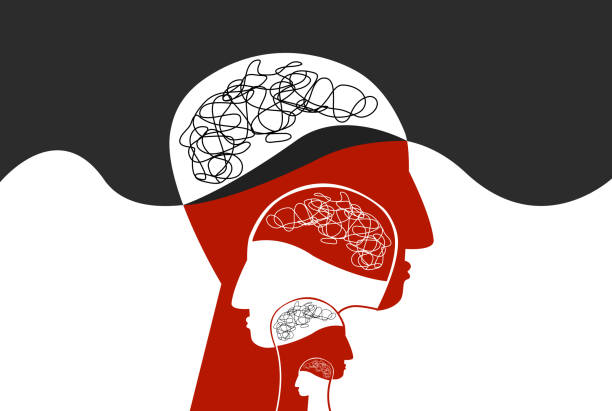

When the noise crescendos, the to-do list multiplies, and your brain feels like a browser with ninety-seven tabs open, the idea of finding an hour for self-care is laughable. You don’t have an hour. What you have are stolen fragments of time between demands. The good news is that five minutes is enough. It is a tool you can actually use. This is not about elaborate rituals; it is about direct, tactical interventions to pull your nervous system back from the edge. Think of these as emergency brakes for your mind, not a leisurely Sunday drive.
The single most effective five-minute reset is to change your physical state. Your mind and body are a feedback loop. When you are overwhelmed, your body is likely braced—shoulders up, jaw tight, breath shallow. You cannot think your way out of this. You must act your way out. Stand up. If you can, step outside. Breathe in through your nose for a count of four, hold for four, and exhale slowly through your mouth for a count of six. Do this five times. Do not worry about emptying your mind; just focus on the count and the feeling of air moving in and out. This is not spiritual, it is biological. It signals your body to dial down the panic and dial up clarity. Look at something in the distance—a tree, a cloud, the end of the street. This shifts your gaze from the internal chaos to the external world, providing instant spatial relief.
Another powerful reset is the targeted brain dump. Overwhelm is often the result of mental clutter, where every worry, task, and idea is swirling in a chaotic soup. Take five minutes and a piece of paper. Set a timer. Write down everything in your head with no editing or organizing. “Call pediatrician,” “milk,” “that thing Emma said at school,” “project deadline,” “I’m tired.” Do not stop until the timer goes off. You are not making a to-do list; you are performing an evacuation. Getting it out of your head and onto paper breaks the cycle of obsessive mental rehearsal. Once it is on paper, you can see it. What felt like a tidal wave often looks like a manageable list of separate items. You can ball up the paper and throw it away after, or you can use it as a map for your next steps. The act of externalizing the chaos creates immediate mental space.
Finally, engage in a deliberate sensory reset. Overwhelm is a state of overstimulation. Counter it with a controlled, simple sensory input. This is brutally simple. Run your wrists under cold water. Hold a frozen orange in your hands. Press a cool washcloth over your eyes. Sip a glass of water very slowly, focusing only on the temperature and the feeling of swallowing. Put on one song you love and listen to it with headphones, doing nothing else. The goal is to hijack your attention from the storm of thoughts and anchor it firmly in a single, concrete physical sensation. This grounds you in the present moment—not the catastrophic future your anxiety is projecting, but the actual, manageable now where you are simply drinking water or feeling a cool cloth.
The point of these resets is not to solve all your problems in five minutes. It is to change the channel in your brain from panic to presence. It is to lower the volume so you can hear your own thoughts again. A calmer, clearer you makes better decisions, responds instead of reacts, and can face the rest of the day from a place of strength, not survival. Your time is fragmented, but your power is not. Reclaim it, five minutes at a time.