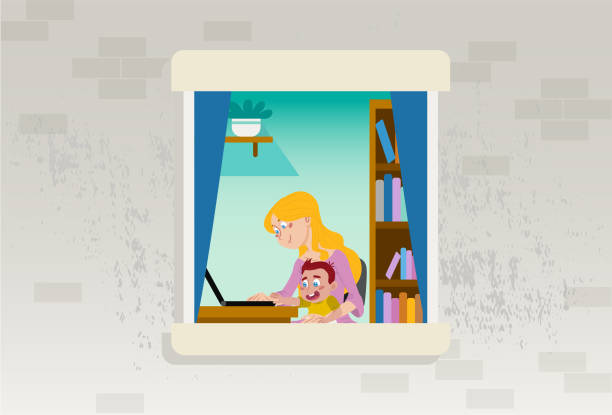
Becoming a mother changes nearly everything, and quietly, without fanfare, it reshapes the landscape of your most intimate relationship. The way you connect with your partner, both physically and emotionally, often shifts in ways you never expected. You might find that the easy, spontaneous closeness you once shared now feels like a distant memory, replaced by exhaustion, competing demands, and a strange sense of meeting in the hallway between a diaper change and a work call. If you have felt a pang of loneliness even when your partner is right beside you, or wondered where the spark went when you are too tired to speak, please know you are not alone. This is not a sign that your love is fading. It is a sign that your love is learning a new language.
The first and most important truth to hold onto is that changes in intimacy are normal, even inevitable, in the season of motherhood. Your body has been through immense transformation, your brain now runs on a new operating system that prioritizes your child’s needs, and your energy reserves are often running on fumes. In the midst of all this, expecting the same kind of passion or connection you had before children can feel like trying to grow a garden in a drought. It is not that the soil is bad; it is just that the conditions have changed. The gentle path forward begins with accepting this reality without judgment. Your relationship is not broken; it is simply evolving.
One of the most subtle yet powerful shifts many mothers experience is the loss of non-verbal intimacy. The small touches, the lingering hugs, the playful glances that used to say so much can disappear under the weight of practical life. You might find that the only times you touch your partner are while passing the baby or brushing past each other in the kitchen. To rebuild that connection, start with tiny, deliberate gestures. A hand on the shoulder as you walk by. A long hug that lasts just ten seconds longer than necessary. Sitting close on the couch while you fold laundry. These small moments do not require time or planning, only presence. They remind your body and your partner’s body that you are still a team, still a safe harbor for each other.
Alongside these physical touches, consider carving out pockets of time for genuine conversation that has nothing to do with children, schedules, or household logistics. This is often the hardest part for mothers who feel that their entire identity has been consumed by parenting. You might feel guilty for wanting to talk about your own thoughts, or you might be so drained that small talk feels impossible. Start with a simple question: “What was one thing today that made you smile?” or “What do you miss doing together?” These opening leads can gently steer you away from logistics and toward reconnecting your inner worlds. If even five minutes feels like too much, try writing a short note and leaving it on the pillow. Words can bridge distances that exhaustion creates.
It is also helpful to reframe what intimacy means in this season. Before children, intimacy might have centered on passion, long dates, or physical spontaneity. Now, intimacy can be found in the quiet solidarity of parenting together. Intimacy is the way your partner takes the baby without being asked so you can shower. It is the silent teamwork of getting through a sleepless night. It is the shared laugh over a chaotic meal. Make a conscious effort to notice and name these small acts of love. Say thank you. Acknowledge the effort. This recognition can soften the harsh edges of daily stress and remind you both that you are still choosing each other, moment by moment.
Of course, physical intimacy may feel especially complicated. After childbirth, hormones, body image changes, fatigue, and the constant physical demands of a child can make sex feel like just another chore. There is no need to rush or force yourself. Instead, talk to your partner about how you are feeling. Be honest about your fears, your exhaustion, and your desire to reconnect even if your body is not ready. Let go of the pressure to return to some earlier version of your sex life. You are writing a new chapter together, one that can be gentler, more patient, and more attuned to where you are right now. Sometimes the most loving thing you can do is simply hold each other without expectation.
Throughout this process, be kind to yourself. Motherhood is a profound transition, and your partnership will need time to find its new rhythm. There will be weeks when you feel distant and weeks when you feel close, and that ebb and flow is part of the journey. If the distance persists or becomes painful, consider reaching out to a counselor who specializes in postpartum or family relationships. Asking for help is not a failure; it is a form of strength that honors both your needs and your relationship.
Remember, the connection you share with your partner is not a fixed destination but a living, breathing thing that grows and changes along with your family. By meeting each other with grace, patience, and small daily acts of tenderness, you are not just surviving this busy season. You are laying the foundation for a deeper, more resilient intimacy that will sustain you both for years to come.