The pressure to create “Instagram perfect” meals is a modern culinary conundrum. Scrolling through feeds adorned with flawlessly styled avocado toast, impossibly glossy sauces, and desserts that resemble architectural marvels can transform the simple, nourishing act of cooking into a source of anxiety. This pursuit of digital validation, where a meal’s worth is measured in likes rather than flavor or shared experience, can drain the joy from the kitchen. However, by consciously shifting perspective and reconnecting with the authentic purpose of food, it is possible to liberate yourself from this pressure and rediscover the genuine satisfaction that cooking and eating can provide.
The first step is to critically examine the source of the pressure. Instagram is a highlight reel, a curated gallery of finished products deliberately stripped of context. We do not see the three failed attempts, the pile of dirty bowls hidden just outside the frame, or the hurried weeknight dinner that preceded the weekend’s photo-worthy project. This platform commodifies aesthetics, often prioritizing visual impact over taste, nutrition, or practicality. Recognizing this inherent bias allows you to view these images not as benchmarks, but as inspiration—much like a food magazine—rather than a standard you must meet. Remember, you are consuming a fantasy, not a realistic representation of daily life.
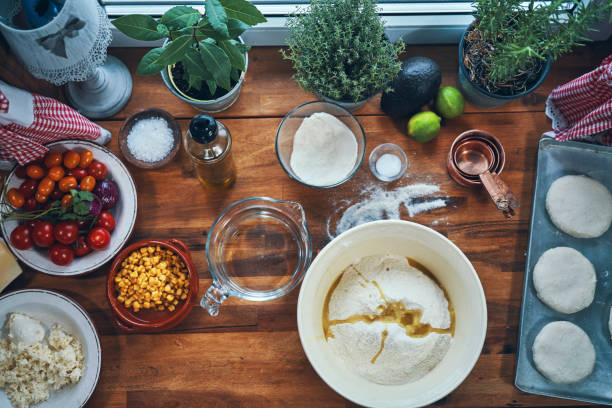
To counter this, actively cultivate a mindset that values the process over the product. Cooking is a sensory experience: the sound of onions sizzling, the smell of herbs, the tactile pleasure of kneading dough. These moments of presence are where the true reward lies, and they are entirely independent of a camera’s lens. Ask yourself why you cook. Is it to nourish your body, to express creativity, to show care for loved ones, or to connect with family traditions? Anchoring yourself in these personal, meaningful intentions provides a sturdy foundation that social media trends cannot shake. A slightly lopsided cake made with patience and shared with laughter holds infinitely more value than a pristine, store-bought dessert eaten alone.
Furthermore, embrace the beauty and authenticity of imperfection. The Japanese philosophy of wabi-sabi, which finds beauty in the imperfect and transient, is a powerful antidote to Instagram gloss. A rustic, crackled crust on a loaf of bread, vegetables roasted to varying degrees of caramelization, or a homey stew served in the pot it was cooked in—these speak of real food made for real people. This aesthetic is not only visually warm and inviting but also honest. It tells a story of human hands at work, which is far more relatable and appealing than the sterile perfection of a staged photo. Let your meals be delicious, not just decorative.
Finally, consider implementing practical digital boundaries. This could mean designating “camera-free meals,“ where the phone is banned from the table, allowing you to be fully immersed in the experience. You might also curate your social media feed to follow accounts that celebrate simple, achievable cooking and joyful eating rather than unattainable perfection. Seek out content creators who show their messy kitchens and talk about their failures, as they provide a necessary and reassuring dose of reality.
Ultimately, dealing with the pressure to create Instagram-perfect meals is an exercise in reclaiming your kitchen as a personal space of creativity and nourishment, not a stage for performance. By shifting focus from external validation to internal satisfaction, from flawless appearance to heartfelt experience, you break the cycle of comparison. The most perfect meal is not the one that garners the most likes, but the one that feeds you—body, mind, and soul—in a way that no filtered image ever could. Let your kitchen be a place of experimentation, nourishment, and connection, and you will find that the pressure dissolves, leaving behind the pure, simple joy of a meal made and enjoyed with intention.