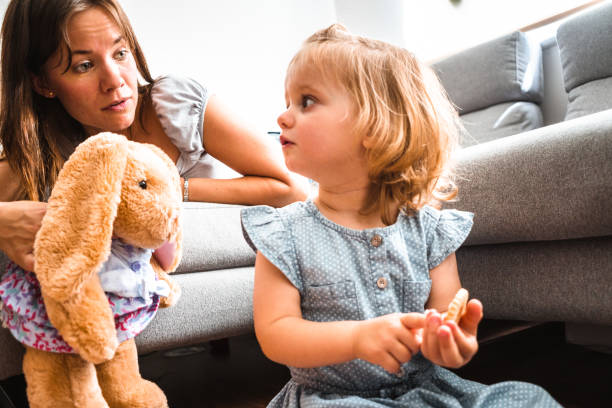
It can happen over something small: whether a child can have dessert before dinner, how much screen time is too much, or whether a teenager should be allowed to stay out later. One parent says yes, the other says no, and suddenly the conversation feels bigger than the moment. If you and your partner disagree about parenting, you are not alone, and you are not failing. Disagreements are not a sign that your family is broken. They are a sign that two people with different histories, worries, and hopes are trying to care for the same child.
Parenting styles often grow from the way we were raised. Maybe you learned that firm routines create safety. Your partner may have learned that flexibility builds trust. Maybe one of you grew up with harsh criticism and wants to be gentler, while the other grew up with few boundaries and wants more structure. Neither approach is automatically wrong. Underneath most disagreements is a genuine desire to protect your child. Remembering that can soften the first sharp edge of frustration.
When emotions rise, it helps to pause before trying to solve anything. A tired mother at the end of a long day may not have the patience for a deep conversation about discipline. A partner may feel criticized and become defensive. Instead of arguing in the moment, name that you need a better time. Say something like, “I want to talk about this with you, but I am too fried to do it well right now. Can we come back to it after the kids are in bed?” That small delay can protect your relationship from words you would later regret.
When you do talk, try to listen for the need beneath the position. If your partner insists on a strict bedtime, perhaps they are worried about a child’s health or school performance. If you want to bend the rule, perhaps you are worried about a child feeling anxious or controlled. Ask gentle questions. “What worries you most about this?” “What do you remember from your own childhood that shapes this for you?” You do not have to agree with every feeling to honor it. Being heard often lowers the temperature enough for compromise.
It also helps to separate the child’s actual needs from the parents’ need to be right. Children need consistency, warmth, and clear expectations. They also need to see adults repair conflict, not pretend it never happened. If you and your partner can say, “We disagreed, but we are working on it together,” you are teaching something valuable. You are showing that love can hold differences without breaking.
Compromise does not always mean meeting exactly in the middle. Sometimes it means trying one approach for a month and checking in. Sometimes it means assigning certain decisions to the parent who has more energy or insight in that area. Sometimes it means agreeing on a few non-negotiable family values while leaving smaller matters flexible. The goal is not a perfect parenting plan. The goal is a partnership where both parents feel respected and the child feels secure.
Try to speak in terms of “we” and “our child” rather than “you always” or “I never.” Language matters. A sentence that begins with blame invites defense, while a sentence that begins with curiosity invites connection. You can say, “I notice we both get tense at bedtime. What would help us feel calmer as a team?” That kind of question keeps the problem outside the relationship instead of making one parent the problem.
If disagreements become frequent, intense, or frightening, please reach out for support. A counselor, trusted friend, faith leader, or family therapist can help you talk without turning every conversation into a battle. Asking for help is not a weakness. It is a strong, loving choice for your family.
You are allowed to be tired. You are allowed to change your mind. You are allowed to say, “I do not know what is best, but I know I want us to figure it out together.” Parenting is not a contest between two styles. It is a long, tender practice of paying attention, repairing, and beginning again. When you and your partner can face disagreements as teammates rather than opponents, your home becomes a softer place for everyone, including you.