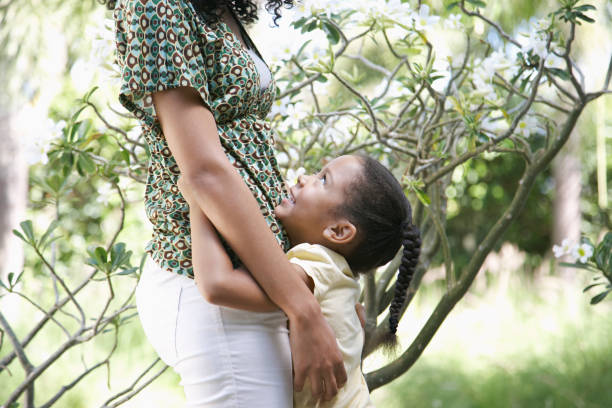
The fear of being judged by other parents is a nearly universal experience, a quiet hum of anxiety that can turn playgrounds, school gates, and birthday parties into arenas of silent scrutiny. This fear often stems from a deep-seated desire to be a good parent, intertwined with societal pressures and our own insecurities. Yet, living under this shadow of judgment is exhausting and can cloud the authentic joy of raising children. Handling this fear is not about eliminating it entirely, but about building the resilience and perspective to prevent it from steering your parenting journey.
The first, and perhaps most profound, step is to embark on a journey of internal validation. This requires a conscious shift from asking, “What will they think?“ to asking, “What is truly best for my child and our family?“ Every family operates with its own unique values, rhythms, and challenges. What works seamlessly for one household may be a source of struggle for another. By clarifying your own core parenting principles—whether they prioritize creativity over strict schedules, emotional intelligence over early academic drilling, or outdoor adventure over pristine cleanliness—you create an internal compass. When you are secure in your own “why,“ the external opinions of others begin to lose their weight. This self-assurance becomes your anchor, reminding you that you are the expert on your own child.
It is also crucial to recognize that judgment often speaks more about the judge than the judged. A parent who offers unsolicited criticism about your child’s screen time, diet, or sleep habits may be projecting their own anxieties and insecurities. They might be rigidly adhering to a particular philosophy to quiet their own doubts. Understanding this does not excuse rudeness, but it can help depersonalize the comment. It transforms a perceived attack on your competence into a reflection of their own internal landscape. This perspective allows for empathy, even if you choose to politely disregard the advice. Often, the parents who appear most confident are simply better at hiding their uncertainties; everyone is navigating uncharted waters.
Furthermore, actively curating your support network is a powerful antidote to fear. Seek out parents whose approach resonates with yours, or who, more importantly, embody a spirit of non-judgment and support. Authentic community is found not in perfect agreement on every parenting detail, but in mutual respect and the shared understanding that this journey is challenging enough without criticism from the sidelines. These connections provide a safe space to be vulnerable, share real struggles, and receive encouragement rather than condemnation. They reinforce the reality that there are many “right” ways to raise a good, kind, and healthy human.
Finally, practicing mindful self-compassion is essential. You will make mistakes; all parents do. The goal is not a flawless performance but a loving, adaptive relationship. When you feel the sting of a sideways glance or a critical comment, acknowledge the hurt but then offer yourself the same kindness you would extend to a friend. Remind yourself of your child’s laughter, their moments of kindness, and the love that defines your home. The metric of your success is not found in the fleeting approval of others at a soccer game, but in the day-to-day connection you are building.
In the end, handling the fear of parental judgment is an ongoing practice of returning to your own center. It involves trusting your intuition, embracing your family’s uniqueness, and recognizing that the most confident parents are often those who have made peace with their own imperfections. By releasing the exhausting burden of performing for an imagined audience, you free up immense emotional energy. That energy can then be channeled where it truly matters: into being present, patient, and engaged in the beautiful, messy, and profoundly personal art of raising your child.