

Maintaining a healthy diet while managing a tight budget can often feel like a daunting challenge, yet it is entirely achievable with thoughtful planning and a well-stocked kitchen. The secret lies not in expensive superfoods or trendy ingredients, but in a reliable foundation of versatile, nutrient-dense, and economical staples. By focusing on a core selection of shelf-stable and affordable fresh items, you can create an endless variety of satisfying meals without straining your wallet. Cultivating this foundational pantry is the first step toward effortless, healthy cooking.
At the heart of any budget-friendly pantry are dried legumes and whole grains. Lentils, whether brown, green, or red, are a true powerhouse; they cook quickly without pre-soaking, are packed with protein and fiber, and form the base for everything from hearty soups and stews to flavorful curries and veggie burgers. Similarly, a bag of dried chickpeas is worth its weight in gold, transformable into hummus, roasted snacks, or chana masala. Pair these legumes with whole grains like brown rice, oats, and quinoa. Old-fashioned oats are a breakfast champion, but also work wonderfully in savory applications like meatless patties or to bulk up meatloaf. Brown rice provides a filling, nutritious base for grain bowls and stir-fries, while quinoa offers a complete protein and cooks in under twenty minutes. Buying these items in bulk from the dry bins, where available, often yields the greatest savings.
Canned goods provide indispensable convenience and longevity. Keep a selection of canned tomatoes—diced, crushed, and whole—as they are the flavorful backbone of countless sauces, soups, and braises. Canned beans, such as black beans and kidney beans, are perfect for when time is short, ready to be rinsed and added to salads, tacos, or quick chili. Don’t overlook canned tuna or salmon packed in water, which are excellent sources of lean protein for sandwiches, salads, or mixed with whole-grain breadcrumbs for fish cakes. For vegetables, frozen options are a brilliant and economical choice. Frozen spinach, broccoli florets, and mixed vegetables are frozen at peak freshness, often more nutritious than out-of-season fresh produce, and prevent waste. They can be tossed directly into pastas, scrambles, or casseroles straight from the freezer.
A handful of fresh aromatics and hardy vegetables can elevate simple ingredients into a meal. Onions, garlic, and carrots are famously inexpensive and form the essential mirepoix or flavor base for a multitude of global cuisines. Potatoes and sweet potatoes are incredibly versatile, filling, and store well for weeks; they can be baked, roasted, mashed, or turned into a frittata filling. For greens, consider cabbage—a nutrient-dense, crunchy vegetable that lasts an age in the crisper and can be shredded for slaws, sautéed, or added to soups. Eggs are another budget-friendly superstar, a complete protein source perfect for breakfast, lunch, or dinner, whether boiled, scrambled, or turned into a frittata with those leftover vegetables.
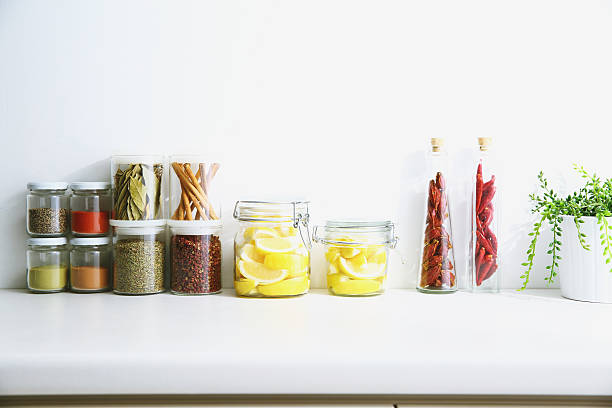
Finally, a modest collection of flavor enhancers ties everything together. A good-quality cooking oil, like olive or avocado oil, is essential for sautéing and dressing. Vinegar, such as apple cider or distilled white, adds brightness to dishes and can be used for quick-pickling. Basic dried herbs and spices like oregano, cumin, paprika, and chili powder are a one-time investment that exponentially increases your culinary range without the cost of pre-made sauces or seasoning packets. Soy sauce or tamari and a jar of better-than-bouillon paste can create rich, savory depths in minutes.
Ultimately, a healthy, low-cost kitchen is built on predictability and flexibility. With a pantry anchored by legumes, whole grains, strategic canned and frozen goods, a few fresh aromatics, and simple seasonings, you possess the tools to nourish yourself well. This approach minimizes food waste, maximizes nutritional value, and empowers you to cook creatively, proving that eating healthily on a budget is not just a possibility, but a sustainable and delicious everyday practice.