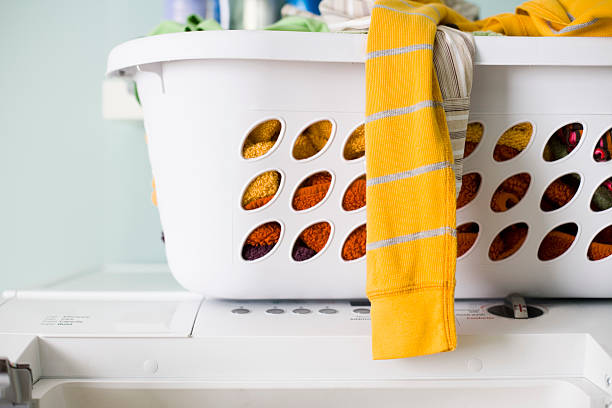
You know that moment when you walk into the laundry room and see a mountain of clothes that seems to have multiplied overnight? It’s not just the physical pile that weighs on you—it’s the invisible mental load. Every time you pass that basket, your brain whispers, I need to sort that, I need to start a load, I need to fold that, I need to put it away. Over the course of a day, those whispers add up, draining energy you could be using for more meaningful moments with your children, your partner, or even just yourself. That is why batching—grouping similar tasks together and doing them all at once—can become one of the gentlest, most effective tools in your stress-management toolkit. And laundry, because it never really goes away, is a perfect place to start.
Think about how your days often unfold. You wake up, start a small load, run errands, come back to switch it to the dryer, then later you fold what’s dry while dinner simmers, and before bed you realize you forgot to put away the folded clothes. You have touched the same pile four times, and each touch came with a decision: should I fold now? Should I wait? Where does this shirt go? That constant switching between tasks—moving from laundry to a phone call to helping with homework—fragments your focus. Your brain has to shift gears over and over, and that shift costs mental energy. Batching changes the entire rhythm. Instead of doing laundry in small, scattered pieces across the week, you choose one morning or afternoon and dedicate it entirely to the cycle of wash, dry, fold, and put away. No interruptions, no half-finished loads lurking in the background.
I know what you might be thinking: “But I don’t have a whole afternoon to spare.” And that is exactly why batching works so beautifully. By compressing the task into a single block, you actually reclaim time. Consider the usual scattered approach: over a week, you might spend ten minutes here, fifteen there, another ten folding—that adds up to an hour or more of distracted, inefficient work. When you batch, you can finish everything in forty-five minutes to an hour, because you are not switching tasks or searching for lost socks. You are in a flow. The same principle applies to many other areas of your life—meal prep, email responses, or even handling school forms—but laundry is where most mothers feel the most relentless pressure, so it is a kind, forgiving place to practice.
How do you start? Choose a day that feels naturally lighter. Perhaps Sunday morning while the house is still quiet, or a weekday afternoon when your youngest is napping. Do not try to catch up on a weekend that is already packed with soccer games and birthday parties; instead, pick a slot that truly belongs to you. Set a timer if that helps, but try not to rush. Put on a podcast you love, or enjoy the silence. Sort everything into piles as you go—whites, darks, delicates—and run load after load without stopping. While one load washes, you can fold the previous one. Involve your children if they are old enough: little hands can match socks or carry small stacks to their rooms. This is not about perfection; it is about freeing your mind from a thousand tiny reminders.
The real gift of batching laundry is not the clean clothes themselves. It is the mental space that opens up when you stop carrying that low-level guilt. All week long, you will walk past the laundry room and not feel a pang of dread. You will not have to rehearse the steps in your head. That quiet confidence—knowing that the task is done—gives you permission to focus on what truly matters: playing on the floor, reading an extra story, or simply sitting with a cup of tea without the nagging sense that you should be doing something else. Batching does not solve every source of overwhelm, but it addresses one of the most common and draining ones. It treats your mental energy as the precious resource it is.
Remember, you are not trying to become a laundry expert. You are trying to care for yourself in a world that asks so much of you. If all you manage this week is to batch one laundry day, honor that. You have done something kind for your future self. You have turned a repetitive chore into a small act of self-respect. And that is worth far more than a perfectly folded fitted sheet.