
Let’s start with a moment of honesty. You open the fridge and there it is: the wilted spinach bought with the best intentions, the leftover pasta the kids refused to finish, the berries that turned fuzzy overnight. A familiar pang hits—a mix of frustration, sadness, and yes, guilt. You think of the money, the effort, the fact that somewhere, someone is hungry. If you’ve ever felt this heavy, sinking feeling, please know this first and foremost: you are not alone. In the beautiful, chaotic dance of feeding a family, food waste is an almost universal step we all stumble over. Handling it isn’t just about compost bins and meal plans; it’s about managing our hearts and minds with the same kindness we offer our children.
The guilt we feel is a testament to your caring nature. It means you value nourishment, resourcefulness, and responsibility. But when that guilt becomes a constant, nagging background noise in your already busy mind, it shifts from being a helpful nudge to an emotional burden. So, let’s reframe this journey. Instead of a quest for perfect, zero-waste efficiency (which can feel like one more thing to fail at), think of it as a practice of mindful progress. It’s about small shifts that add up, not overnight overhauls.
Begin with observation, not judgment. For one week, simply notice. What ends up in the trash? Is it the heels of the bread? The last serving of a casserole that everyone is tired of? The produce that rots before you get to it? Don’t scold yourself as you look. You’re gathering data, like a friendly scientist in your own kitchen. This simple act removes the emotion and gives you clear clues. Perhaps you’re overbuying certain items, or your family’s appetite for leftovers is smaller than you thought. This isn’t failure; it’s invaluable information.
Armed with that knowledge, you can introduce small, gentle changes. Embrace the power of the freezer, your kitchen’s pause button. That leftover soup, the overripe bananas for future bread, the extra pancakes—tuck them away for a future-you who will be profoundly grateful. Get creative with “clean-out” meals. Designate one dinner a week as a “bits and bobs” night, where leftovers are reinvented into omelets, grain bowls, or simple fried rice. It can become a fun, low-pressure challenge rather than a chore.
Involve your family in a lighthearted way. Talk to your kids about where food comes from and why it’s special, not to instill guilt, but to foster appreciation. Let them help you blend soft fruit into smoothies or bake bruised apples into a crumble. When they participate, they’re more likely to eat it. And share the load with meal planning. A loose plan—even just knowing the main protein for each night—can be a lifesaver, reducing impulse buys and giving you a roadmap for the week.
But here is the most crucial part: practice grace. Some weeks, the plan will fall apart. Someone will get sick, a meeting will run late, and the takeout boxes will appear. The lettuce will wilt. This is not a moral failing. The goal is not perfection, but a reduction of waste where you can, and a release of guilt where you must. That guilt you carry? It doesn’t actually save a single carrot stick from the bin. It only weighs you down.
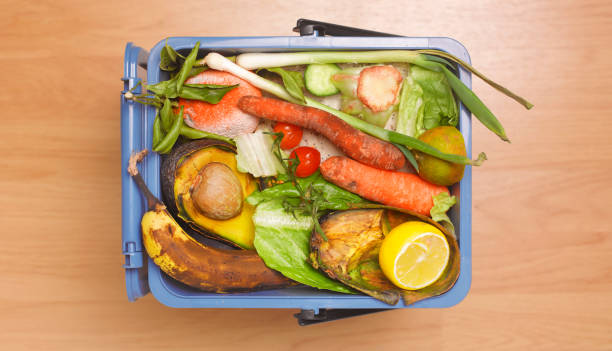
Finally, consider closing the loop in a way that feels meaningful. Composting, if it’s accessible to you, can be a wonderfully tangible way to transform waste into nourishment for new growth. Even keeping a small countertop bin for scraps can feel like a positive action. If that’s not possible, simply being more mindful is enough. Donate what you can to community fridges or food banks when you’re able, but don’t pressure yourself to do it all.
Motherhood is a series of loving releases—releasing expectations, releasing control, and sometimes, releasing the guilt that sticks to us like peanut butter to the roof of a toddler’s mouth. You are doing your best to nourish your family in a complex world. So, the next time you face those soggy leftovers, take a breath. Acknowledge the lesson, make a mental note if it helps, and then let the guilt go with the food. Your worth as a mother is not measured by the contents of your trash can, but by the love in your home. And that, dear mom, is something you are creating in abundance, every single day.